Why your site should send fewer requests, not smaller ones
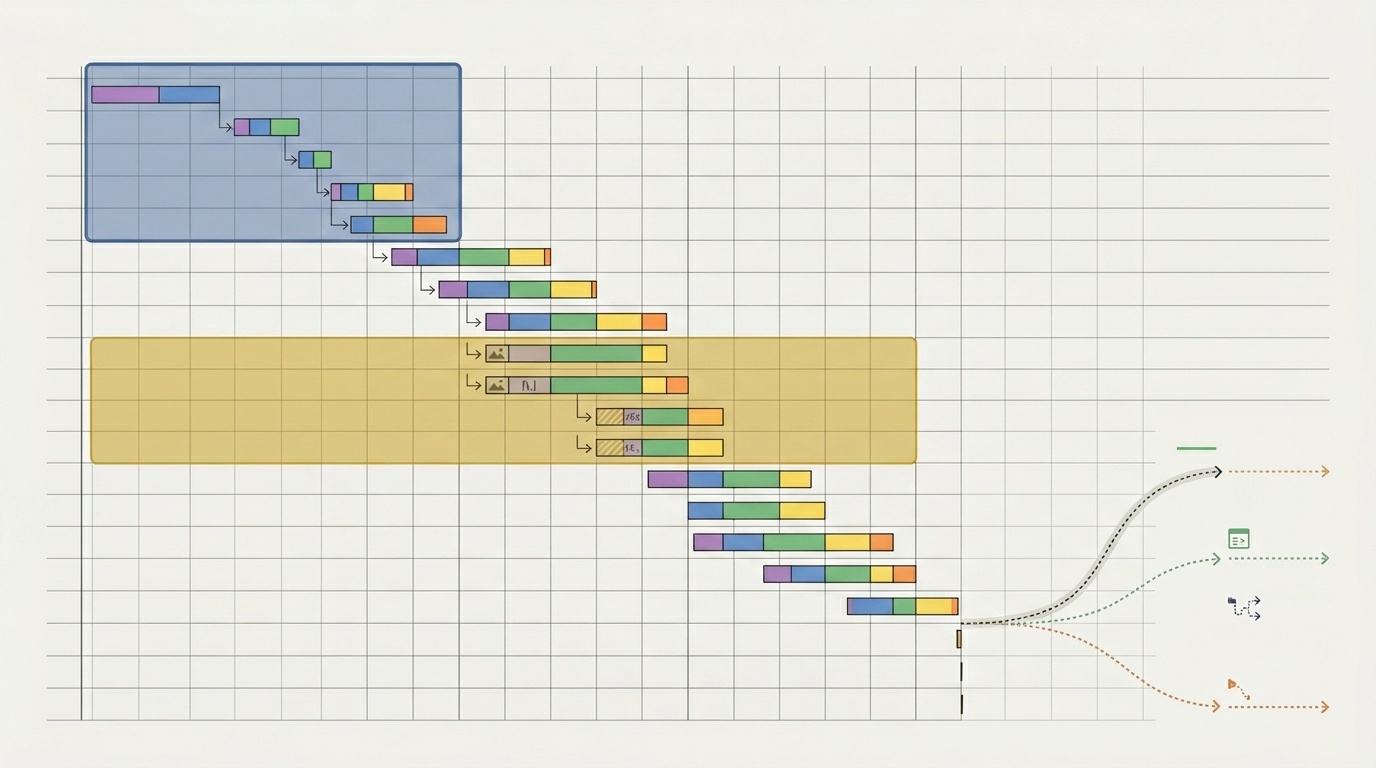
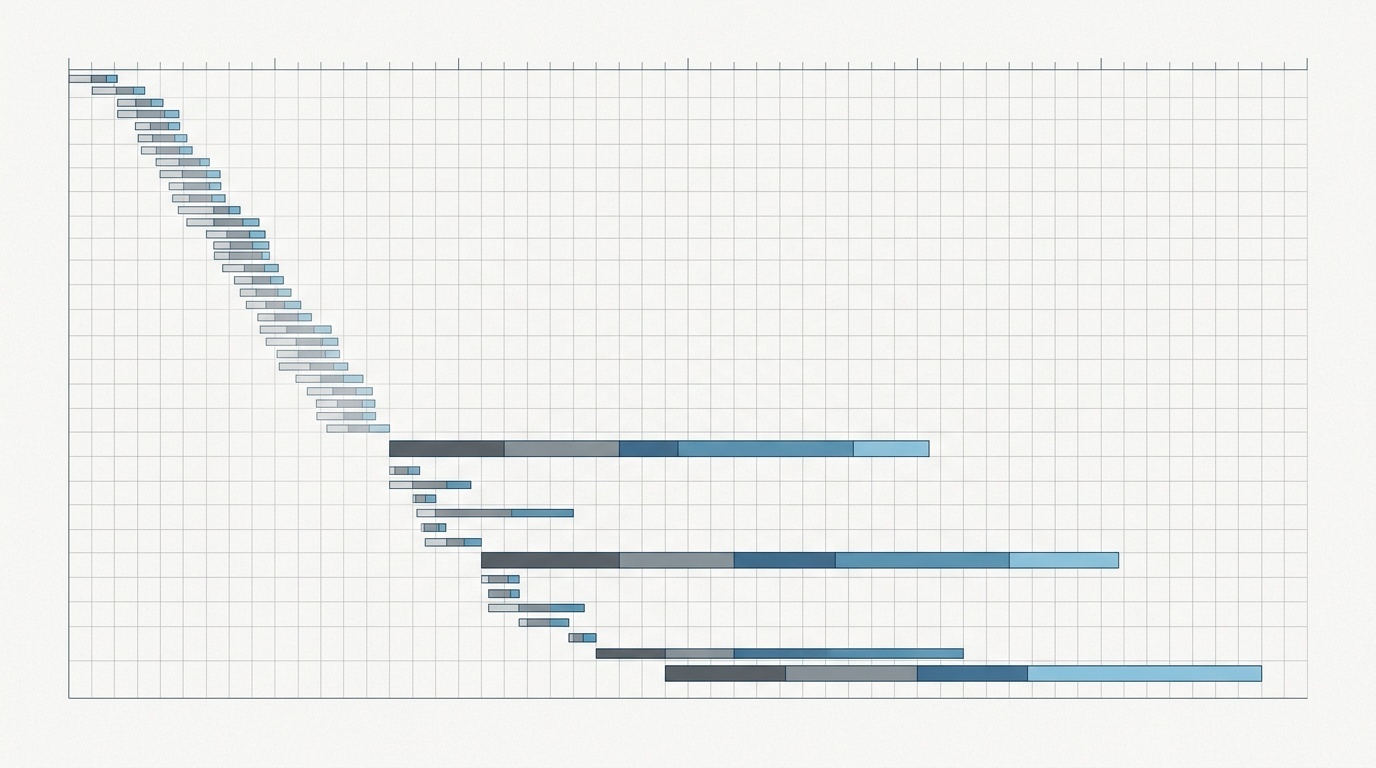
Modern sites often chase smaller files while ignoring request count. The faster fix is usually fewer, better-timed requests.
How to make websites faster, leaner and friendlier to users on every device and network — Core Web Vitals, compression, caching, fonts.
Modern sites often chase smaller files while ignoring request count. The faster fix is usually fewer, better-timed requests.
Slow TTFB usually means slow routing, missing cache, overloaded servers, or expensive backend work. Here is how to diagnose and fix it.
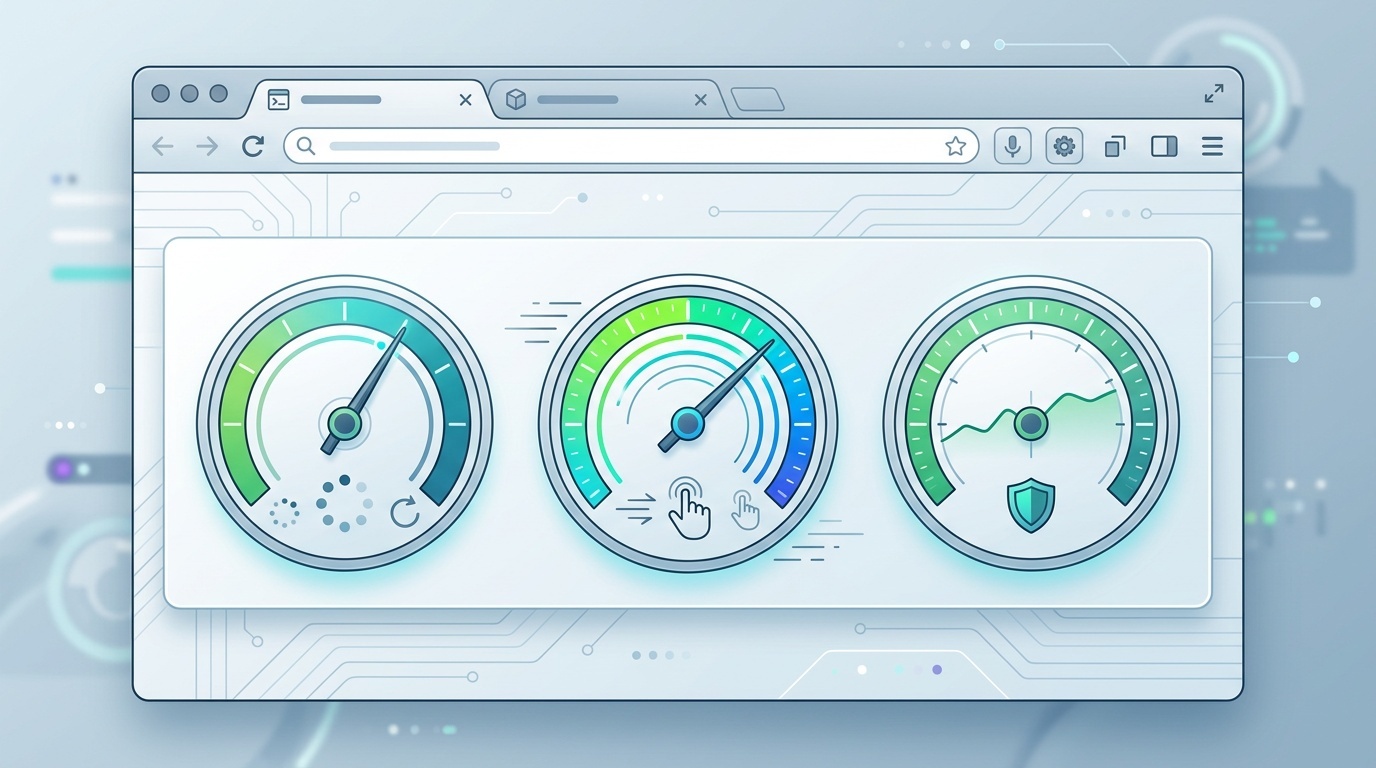
Core Web Vitals measure loading, responsiveness and visual stability. Here is what LCP, INP and CLS mean in practical terms.
A practical guide to preload, prefetch and preconnect: what each hint does, when it helps, and when to leave it alone.
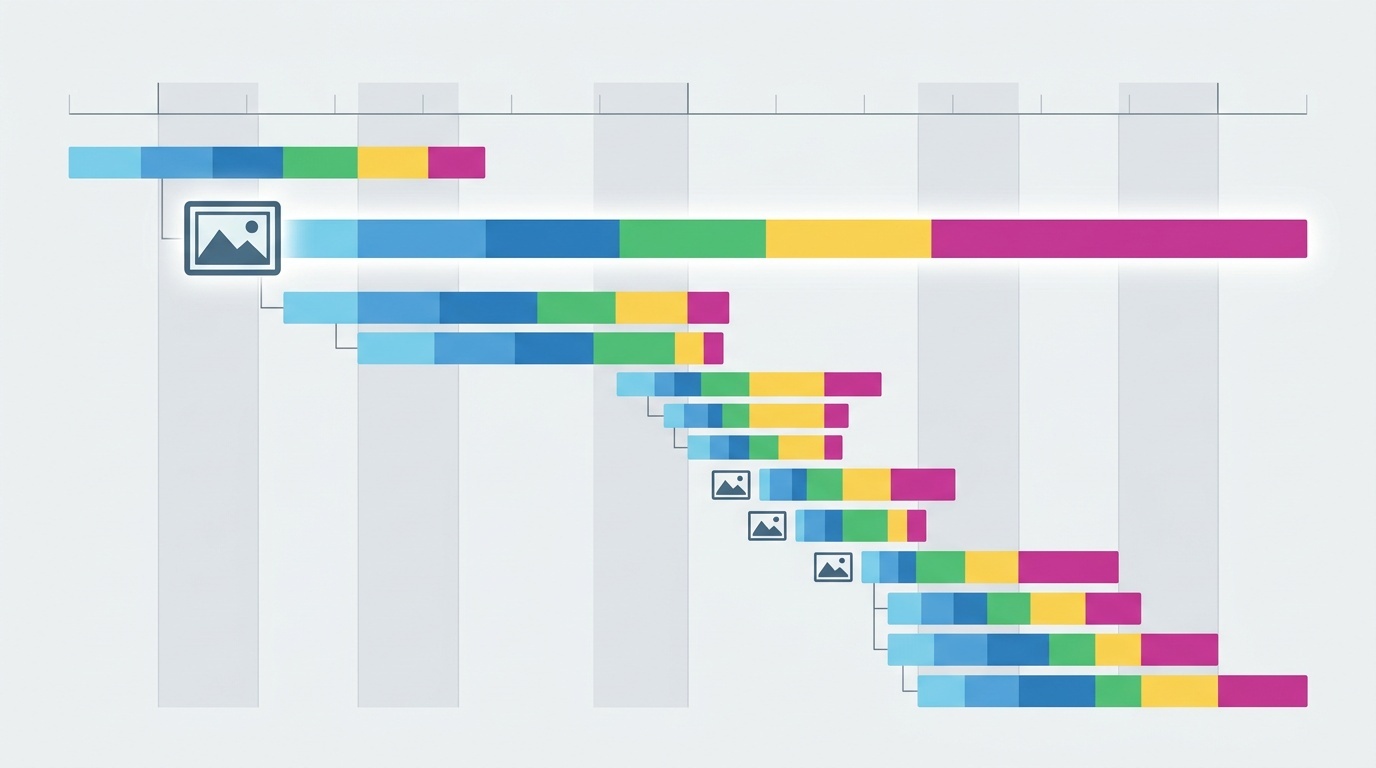
Lazy loading can improve page load only when it delays non-critical work. Use it on below-fold media, not your LCP image.
Lighthouse reports are dense and intimidating. Here's how to extract the signal from the noise and prioritize fixes that actually improve user experience.
Most slow websites have one thing in common: they ship more font weights than the page actually uses, in formats older than necessary, with no fallback strategy. The fix is half a day of work.